


How to Build a Balanced Monk Homebrew Subclass in D&D 5e
- Feb 16
- 3 min read
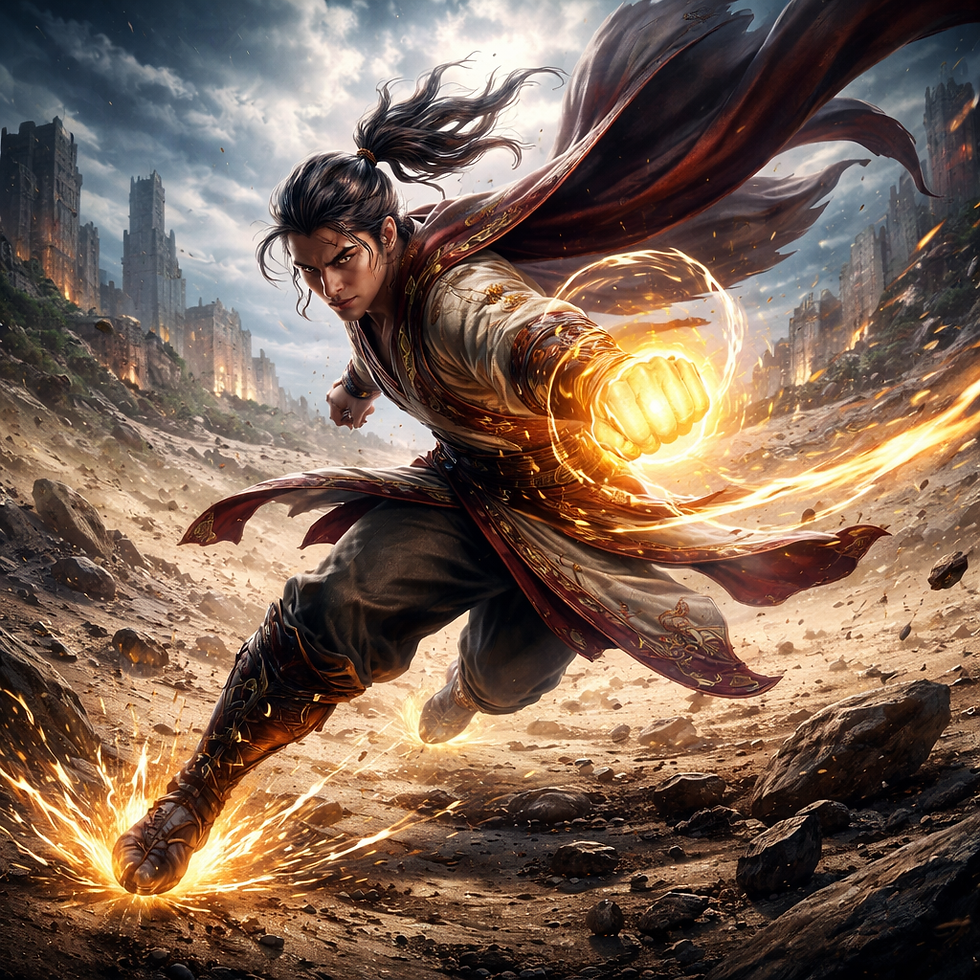
From the lightning-fast strikes of martial artists in Dragon Ball Z to the disciplined warriors of Avatar: The Last Airbender and the mystic combatants of Mortal Kombat, few fantasy archetypes capture speed and precision like the Monk. In the dynamic world of Dungeons and Dragons (D&D), the Monk class embodies that same fluid agility and disciplined power. Each class in D&D shapes the adventures and stories that unfold, and the Monk stands out for its exceptional speed, mobility, and martial prowess. When creating homebrew subclasses, understanding and building upon these inherent traits is essential. This guide explores the Monk’s key abilities, strengths, and weaknesses to help you craft compelling and balanced homebrew subclasses.
Understanding the Monk Class
Monks represent the pinnacle of mobility and agility in D&D. Their extraordinary speed allows them to traverse impressive distances, making them highly effective at battlefield positioning and control. At level 20, a Monk can move up to 60 feet in a single round, highlighting their unmatched swiftness.
Beyond speed, Monks are formidable close-quarters combatants. Through martial arts and mystical disciplines, they deliver precise and powerful strikes. Their ability to evade attacks and respond with decisive blows makes them uniquely effective in melee engagements.
Monk’s Main Abilities
Ki
Ki forms the foundation of a Monk’s toolkit. This internal energy fuels their special techniques and additional attacks. By spending Ki points, Monks can make multiple attacks in a round, attempt to stun enemies, and perform other powerful maneuvers. Ki points replenish after a short rest, ensuring the Monk remains consistently combat-ready.
Monk’s Weaknesses
Magic: Monks lack innate spellcasting, which can reduce their versatility in encounters that rely heavily on magical solutions.
Multiple Ability Scores: Monks depend on both Dexterity and Wisdom to maintain a strong Armor Class (AC) and effective Saving Throws. Balancing multiple high ability scores can be challenging during character creation and progression.
Damage: A Monk’s unarmed strikes begin with a D4 martial arts die. Compared to weapon-based classes, this can result in lower early damage potential.
AC (Armor Class): A Monk’s AC equals 10 + Dexterity modifier + Wisdom modifier. Achieving a competitive AC typically requires at least 16 in both Dexterity and Wisdom, which may still fall behind other front-line melee classes.
Monk’s Strengths
Cost: Monks do not rely on weapons or armor, reducing equipment costs and simplifying gear management.
Mobility: Monks possess exceptional movement capabilities. At level 20, they can move 60 feet per round and up to 120 feet when using the Dash action.
Stunning Strike: Stunning Strike allows Monks to incapacitate enemies temporarily, creating significant advantages for their party during combat.
Subclass Building Tips
Integrate Ki Mechanics: Ki should remain central to any homebrew Monk subclass. Design abilities that expand how Ki is spent, such as granting additional actions or unique techniques.
Enhance Core Abilities: Focus on reinforcing the Monk’s defining traits—speed, martial precision, and evasiveness. For example, the Open Hand Monk can strike three times instead of twice during Flurry of Blows, while the Way of Shadow Monk can teleport between shadows by spending Ki.
Balance Strengths and Weaknesses: Maintain equilibrium. While strengthening offensive or defensive features, account for the Monk’s limitations in magic and their reliance on multiple high ability scores.
Innovative Abilities: Introduce creative features that align with the Monk’s theme. For instance, the Open Hand technique “Quivering Palm” allows a Monk to deal significant damage through careful Ki expenditure.
Conclusion
Designing a homebrew Monk subclass requires a clear understanding of the class’s mobility, martial skill, and Ki mechanics. By building on these core traits while respecting their limitations, you can create a balanced and engaging subclass that enhances gameplay without disrupting overall class balance.
FAQs
What are the key abilities of a Monk in D&D 5e?
A Monk’s primary abilities include Ki-based techniques, exceptional mobility, and martial arts features that enable multiple attacks, enemy control through Stunning Strike, and rapid battlefield movement.
How can I balance a Monk’s strengths and weaknesses in a homebrew subclass?
Strengthen core traits such as mobility and martial arts while acknowledging limitations like the absence of spellcasting and the need for high Dexterity and Wisdom.
What is the role of Ki in a Monk’s abilities?
Ki powers the Monk’s special techniques and additional attacks. Because Ki points recharge after a short rest, Monks maintain steady combat effectiveness.
How can I make a Monk subclass unique and engaging?
Develop abilities that emphasize mobility, extra strikes, or distinctive Ki-powered techniques while remaining consistent with the Monk’s theme.
What are some examples of existing Monk subclasses in D&D 5e?
Examples include the Way of the Open Hand, which enhances Flurry of Blows, and the Way of Shadow, which allows teleportation between shadows through Ki use.



Comments